




MEGS NEWS | FIBRE CEMENT BOARD | QUALITY CONTROL

When buying fibre cement boards from overseas, most buyers look at the specifications first. Thickness, dimensions, density and price are usually the starting point.
But there is another question worth asking: How do you know the boards are ready to ship and match what you ordered?
A proper pre-shipment inspection helps answer that question. It involves checking the board’s appearance, measuring key dimensions, reviewing relevant test results and making sure the products are properly packed for transportation.
Here is a closer look at the key points buyers should pay attention to.
1. Visual Inspection: Start with the Board Itself
Before looking at technical data, it makes sense to take a good look at the actual boards.
Visual inspection helps identify obvious defects that could affect product acceptance, handling or installation.
Depending on the agreed product requirements, this may include:
- Surface condition and visible imperfections
- Cracks, chipped edges and damaged corners
- Board flatness and overall appearance
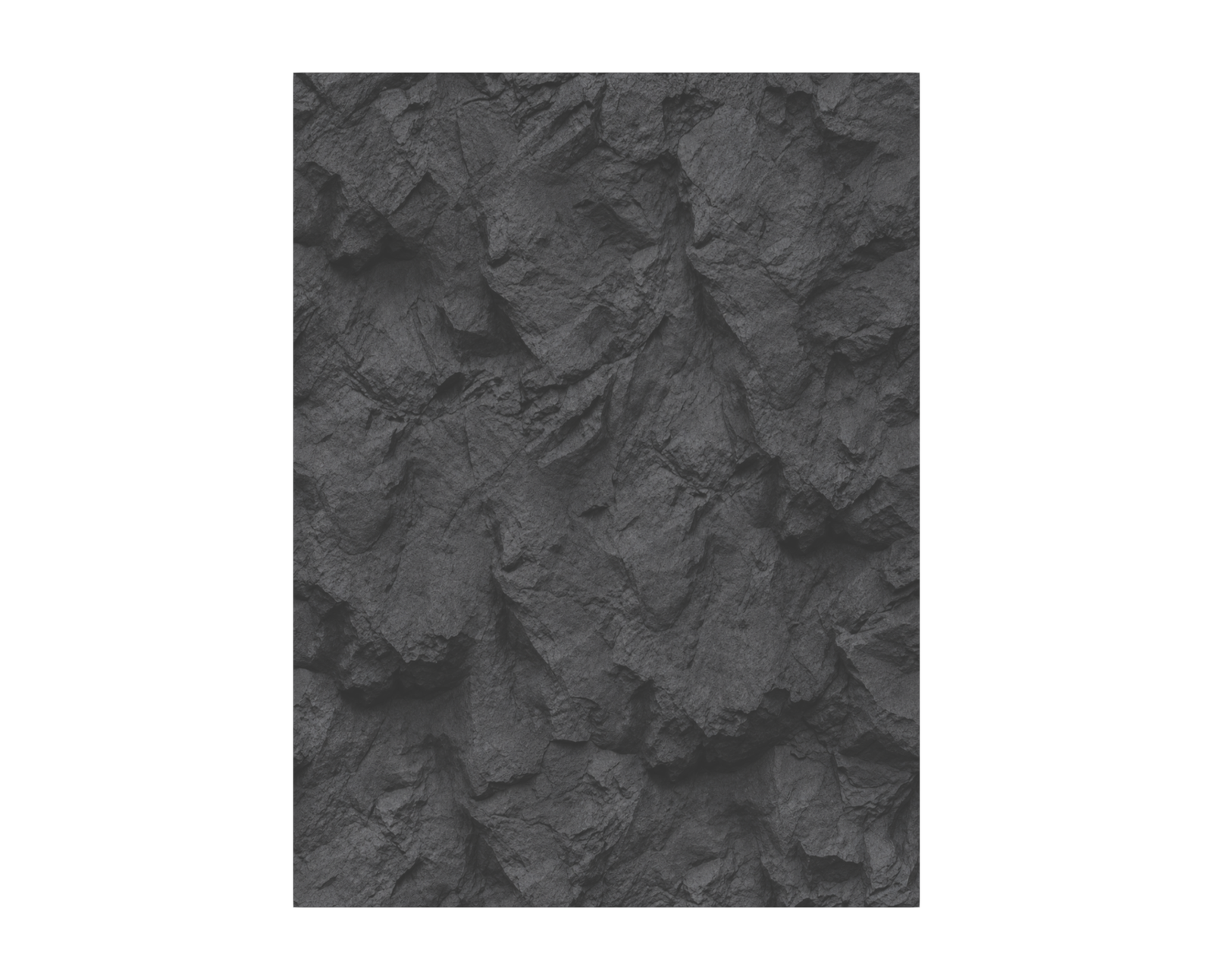
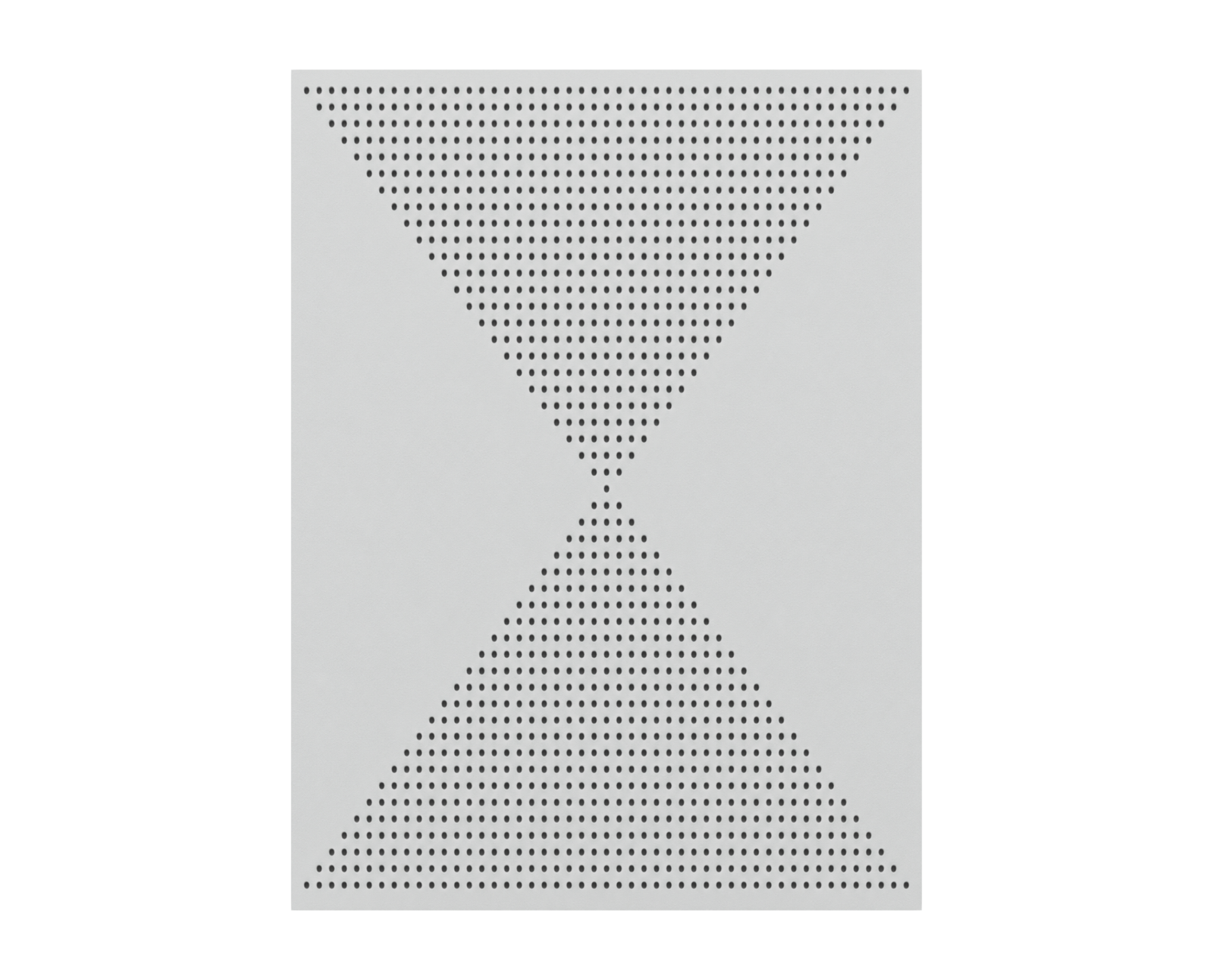
- Consistency of surface finish and texture
- Noticeable differences between production batches

For decorative or finished fibre cement boards, colour and texture consistency may also be important.
Not every visual difference means a product is defective. What matters is whether the appearance meets the agreed sample and quality requirements.
2. Thickness and Dimensions: Check What Was Ordered
This is one of the most practical checks before shipment.
A fibre cement board may look fine at first glance, but its actual dimensions still need to be verified.
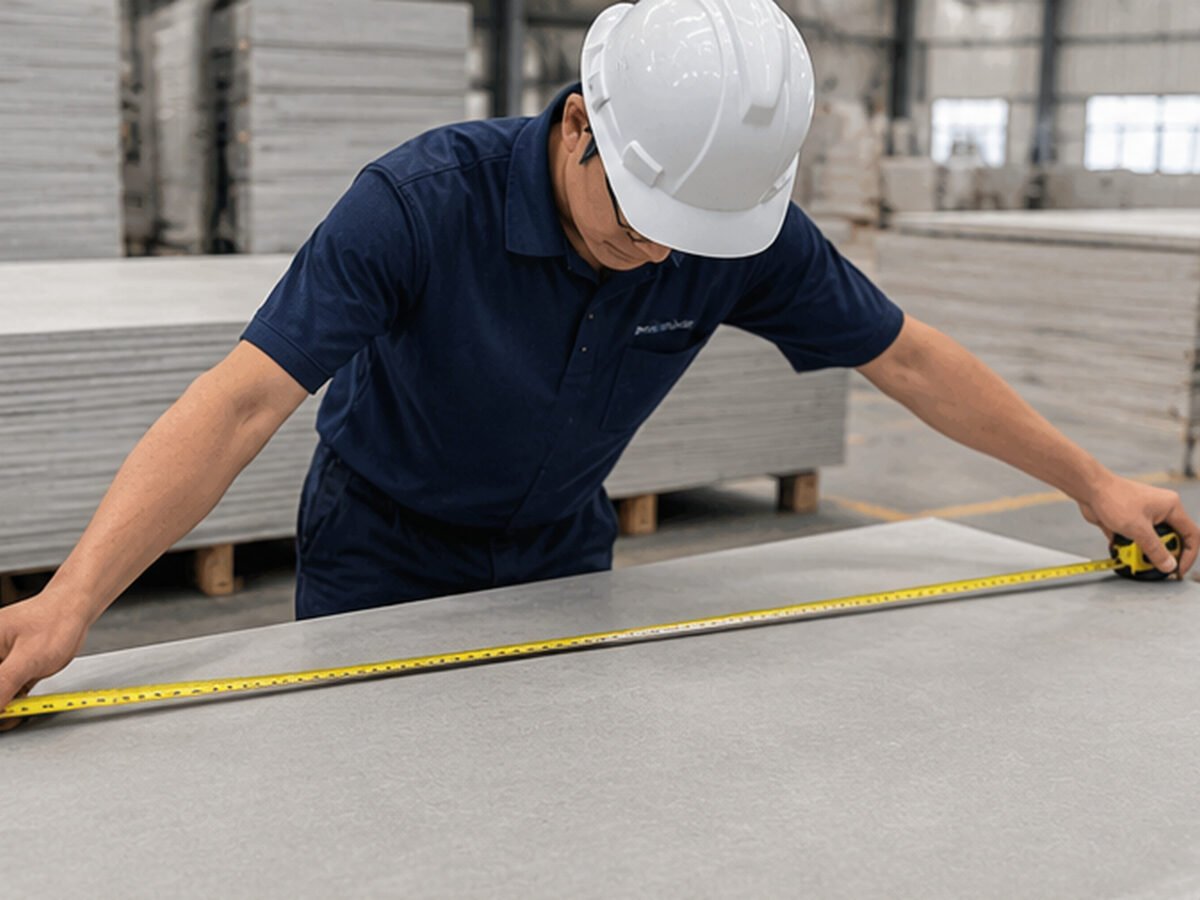
Typical measurements include:
- Length and width
- Board thickness
- Dimensional tolerances
- Squareness and edge condition
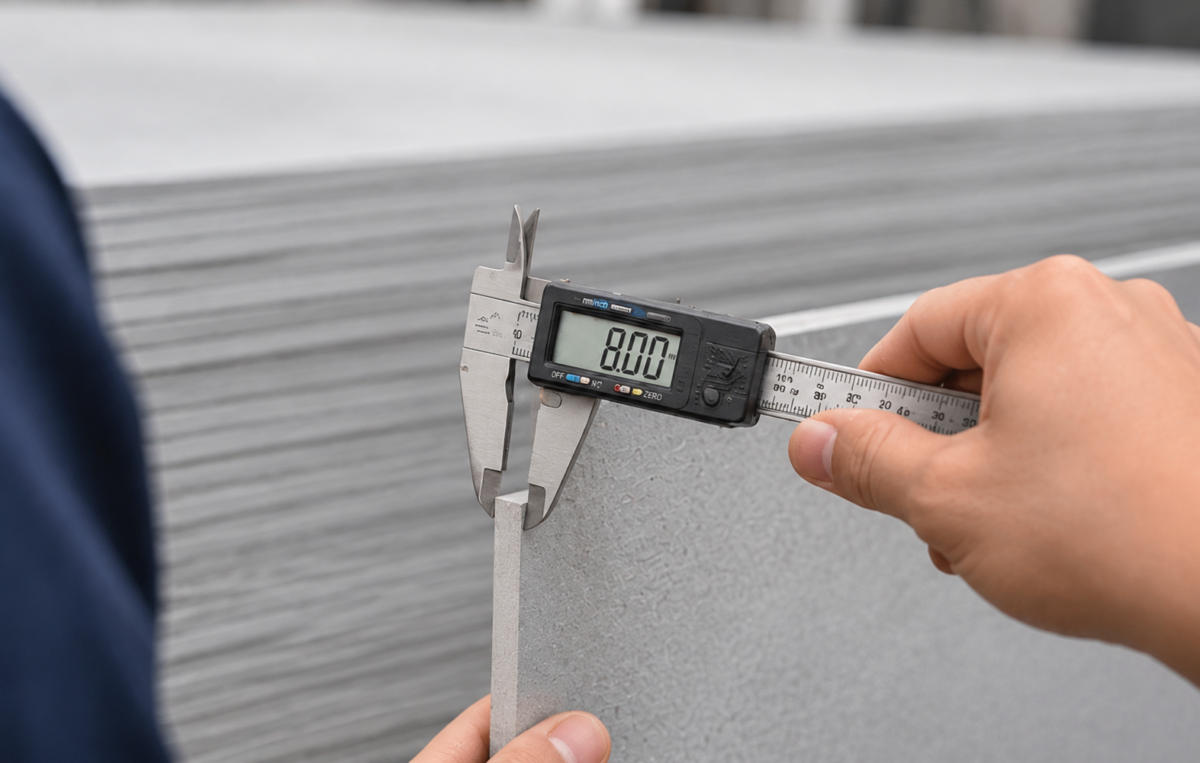
For thickness measurement, a suitable measuring tool such as a digital caliper can be used on selected boards or samples.
The results should be compared with the confirmed product specification, rather than judged by appearance alone.
For example, if an order specifies an 8 mm board, the inspection should verify that the measured thickness falls within the agreed tolerance.
It is also worth confirming the measurement method and acceptable tolerances before production, especially for project-based orders.
3. Product Testing: Look Beyond Appearance
A board can meet its visual and dimensional requirements without necessarily telling you everything about its technical performance.
Depending on the product grade and intended application, buyers may need to review test results for properties such as:
- Density
- Flexural strength
- Water absorption
- Dimensional stability
- Other specified physical or mechanical properties

One important distinction: routine pre-shipment inspection and laboratory performance testing are not the same thing.
Visual checks and dimensional measurements can form part of an order inspection. Other technical properties may require dedicated laboratory testing, product-type testing or scheduled quality assessments.
If your project has specific performance requirements, ask for the relevant technical documents and test reports before confirming the order.
It is always better to clarify these requirements early than to discover a documentation gap when the goods are already on the way.
4. Packaging and Loading: Quality Does Not Stop at Inspection
Even well-manufactured boards can arrive damaged if packaging and handling are not properly considered.
This is particularly important for international shipments, where products may go through multiple stages of handling and long-distance transportation.
Before shipment, buyers and suppliers should review:
- Board stacking and pallet stability
- Edge and corner protection
- Wrapping and strapping arrangements
- Product labels and shipping marks
- Container loading and space utilization
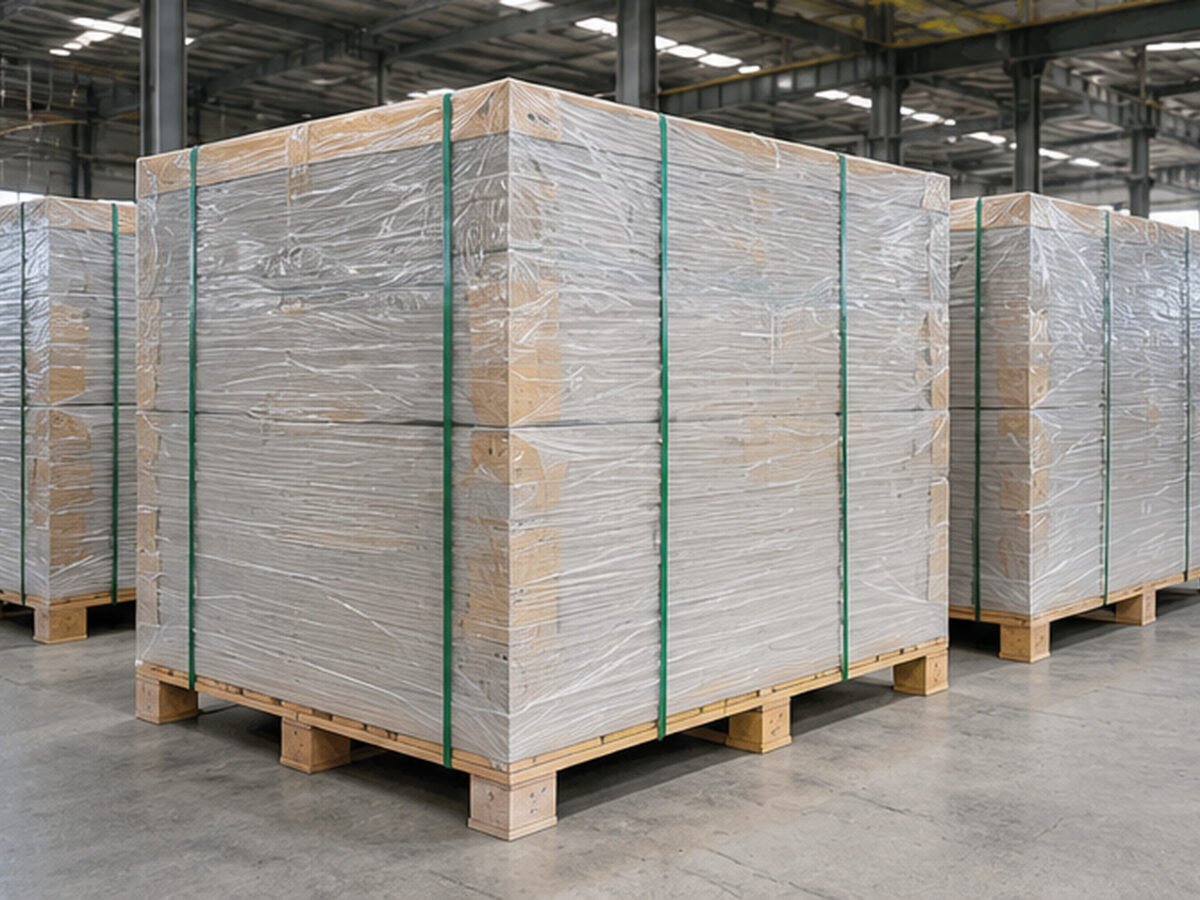
The right packaging depends on board dimensions, thickness, order quantity and transportation conditions.
For larger orders, it is also worth confirming the packaging method and loading arrangement before the goods are ready.
A little coordination at this stage can help avoid unnecessary problems after arrival.
5. Inspection Records: Keep the Details Clear
Inspection is more useful when the results can be reviewed and communicated clearly.
Depending on the agreed inspection scope, relevant records may include:
- Dimension and thickness measurement records
- Inspection photographs
- Applicable laboratory test reports
- Packaging and pallet photographs
- Final quantity and shipment checks
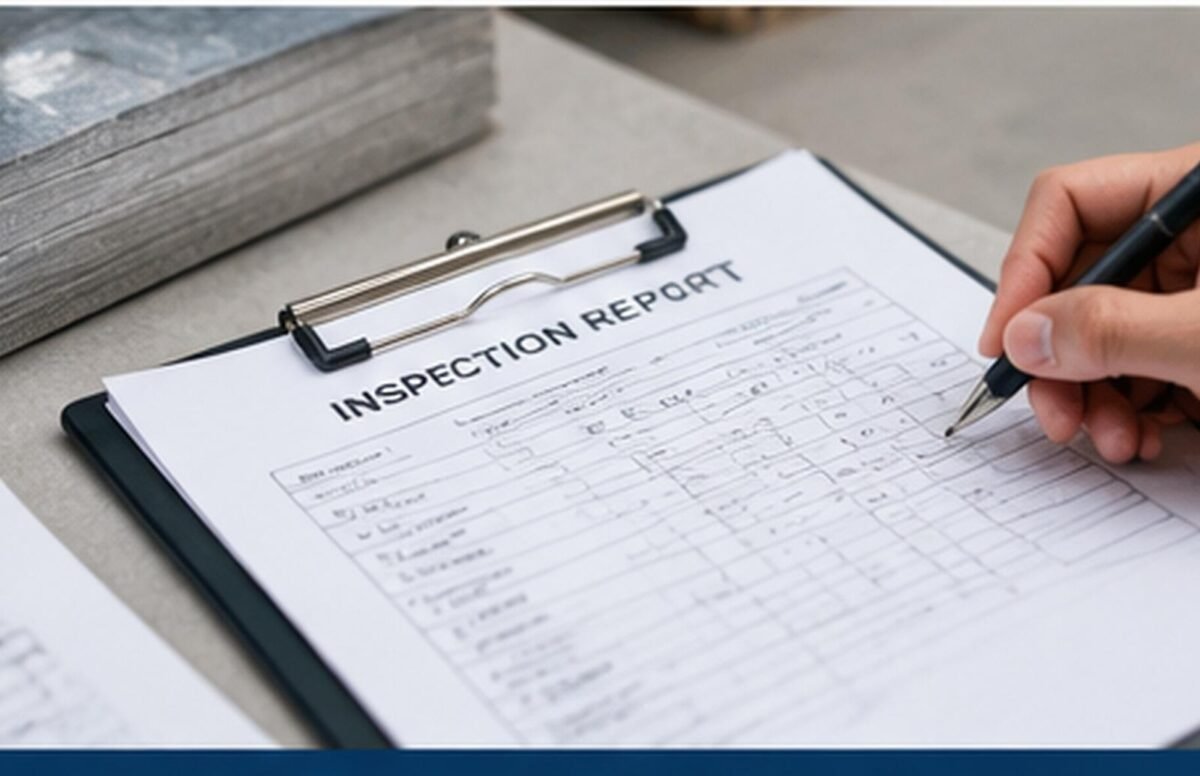
Not every order requires the same level of inspection. The scope should reflect the product specifications, buyer’s requirements and intended application.
For repeat orders, keeping previous specifications and inspection records available can also make communication easier and help both sides maintain consistency.
How MEGS Supports Fibre Cement Board Sourcing
At MEGS, we know that sourcing building materials internationally involves much more than finding a suitable price.
Buyers also need clear product specifications, coordinated manufacturing, quality checks and dependable shipment arrangements.
For our fibre cement board supply, we work with manufacturing partners to support customers with:
- Product specification confirmation
- Sample arrangements and product evaluation
- Quality inspection coordination
- Pre-shipment checks
- Packaging and export shipment coordination
Whether you are sourcing standard fibre cement boards, higher-density press boards or boards for a specific construction application, our aim is to make the purchasing process clearer from the first discussion to final shipment.
| Looking for a reliable fibre cement board supply partner?Share your required thickness, dimensions, application and quality expectations with MEGS. We would be happy to discuss the available options and inspection requirements for your order. |
MEGS – Build Smarter, Source Easier.
Frequently Asked Questions
1. How are fibre cement boards inspected before shipment?
Common checks include visual inspection, thickness and dimensional measurement, review of applicable product test results, packaging inspection and shipment verification. The exact inspection scope depends on the agreed specifications.
2. What dimensions should be checked on fibre cement boards?
The main dimensions are length, width and thickness. Depending on the application, squareness, edge condition and dimensional tolerances may also need to be checked.
3. Is every fibre cement board tested before shipment?
Not necessarily. Inspection may involve visual checks, dimensional sampling and batch-based testing. The inspection frequency and sampling plan should be agreed between the buyer and supplier.
4. What technical properties should buyers ask about?
Depending on the intended application, relevant properties may include density, flexural strength, water absorption and dimensional stability. Buyers should request the applicable technical documents and test reports.
5. Can buyers arrange third-party inspection?
Yes. Buyers can discuss third-party inspection with their supplier before shipment. The inspection scope, applicable standards, schedule and costs should be agreed in advance.
6. Why is fibre cement board packaging important for export?
Proper packaging helps protect board surfaces, edges and corners during handling, storage and transportation. Pallet stability, wrapping and loading arrangements should be considered according to the shipment requirements.

